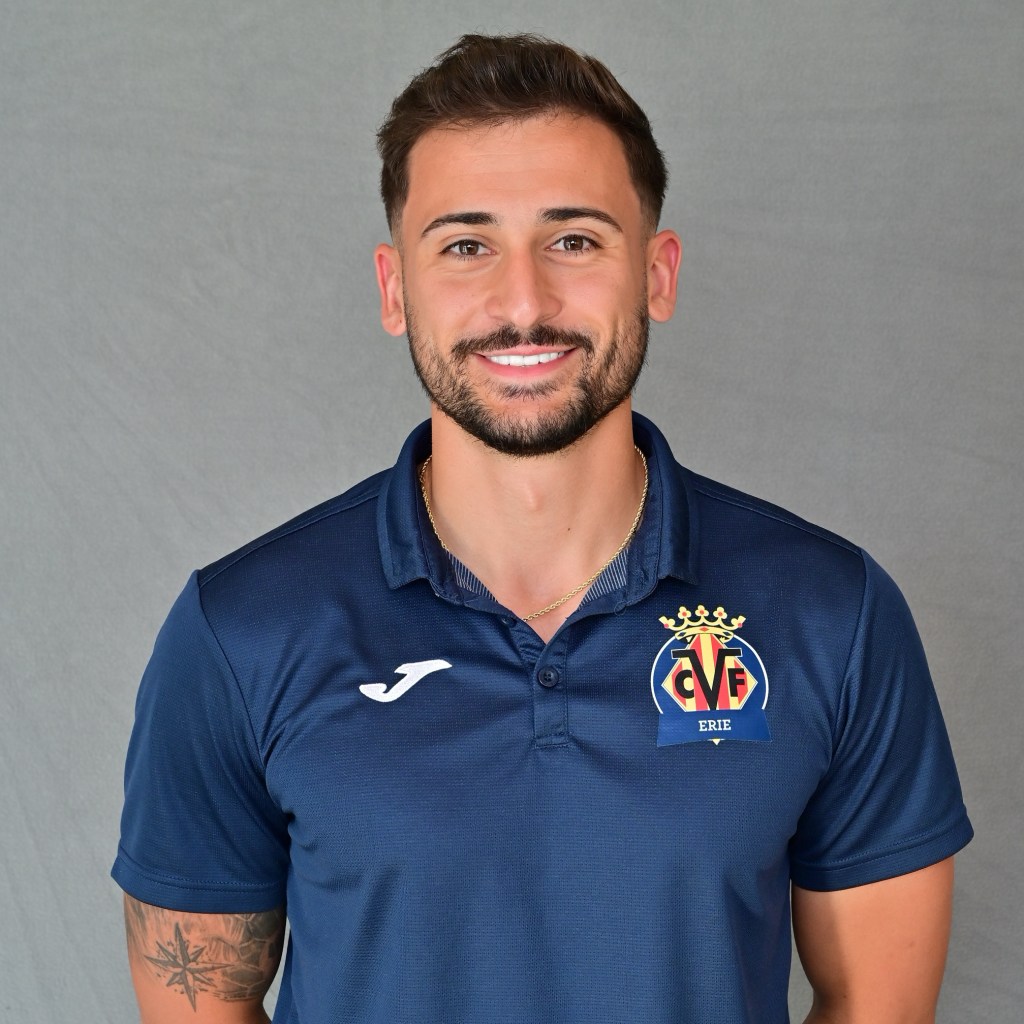
Following a four-year collegiate soccer career at John Carroll, Gino Romeo knew his journey with soccer was nowhere near finished.
He swapped his cleats for a clipboard and became general manager for the Villareal Erie Academy. Now, he’s guiding the next generation of soccer players with the lessons from his playing days.
Here’s a detailed look at how Gino is applying an international soccer methodology to the next wave of soccer stars.
Experiencing Highs, Lows, and Injuries as a Player
Entering his playing career at John Carroll, Gino was coming off a 34-goal, 21-assist season as a high school senior. With personal and local expectations, he was hoping to continue this momentum, but before his first season even began, he was out with a torn quad.
It’s experiences like these—feeling the triumphs and the low points as an athlete—that prepared Gino to help his players navigate the rollercoaster of high-level soccer.
From his perspective, it’s easy for players at their peak to “get ahead of themselves” and think, “I’m the best in the world.” While he’s felt the rush of scoring goals, he understands how dangerous arrogance can be.
On the other hand, his injuries taught him the importance of staying level-headed through low points and focusing on the process to get back to career heights.
As a coach, this knowledge translates into empathetic, motivating action when a player is injured. He recalled, “Our centerback, who was fantastic all season, tore her ACL…[I gave] positivity right from the start, but when she finally did have that diagnosis, the first thing I said was, ‘Alright, let’s go. Road to recovery, we start now.’”
Further, Gino found a new perspective being forced to watch from the sidelines freshman year. Instead of participating, he was “watching the games or taking in the training sessions.”
In fact, for his first coaching session, he even used a drill he had used just four months prior in his final season at John Carroll.
Playing soccer since he was three years old built his love for the game, helped him understand player situations, and gave him soccer knowledge, and now he’s translating it to his role on the sidelines.
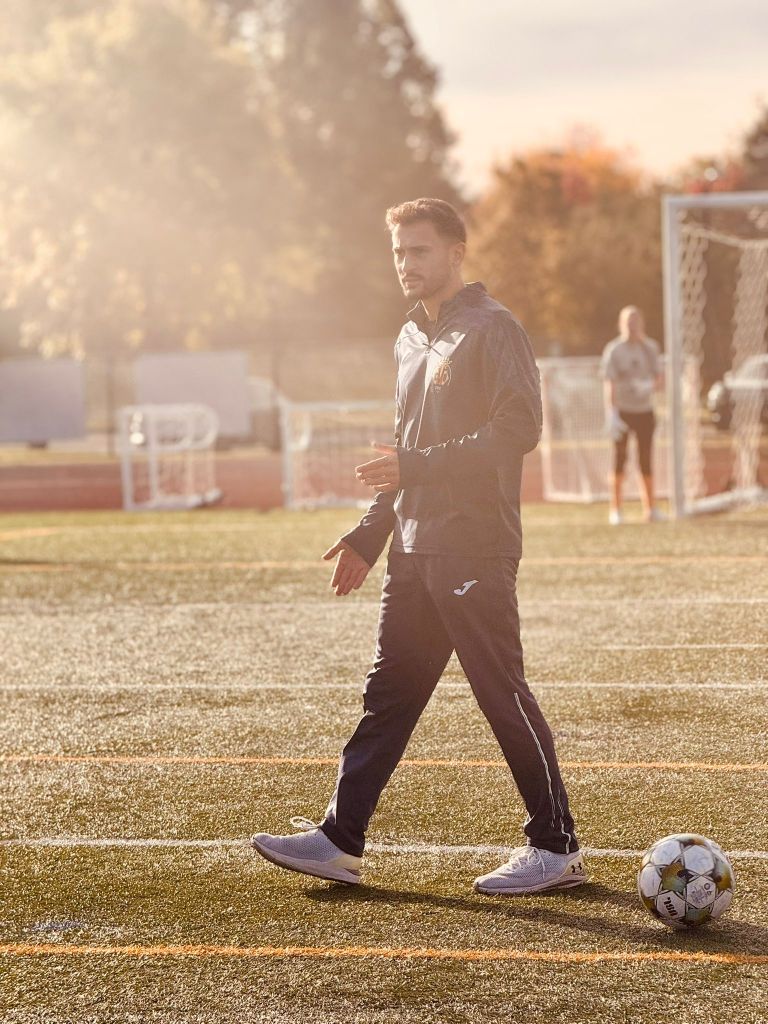
The Villareal Methodology: Prioritize Development
At Villareal Erie, the philosophy is clear: player development is the priority.
Gino prepares his players for the future, not just one-off games. He tells his players, “Yes, we want to succeed as a team. But you boys and you girls are not going to be with us every year. You guys are all going to go play in your own college program. You need to fit into that system.”
Fitting into other systems means developing the right way and building a foundation from a young age.
Which is why Gino and his staff have a rule for their young teams: no punting the ball. He explained the rationale, “At the youth level, they have to learn how to play the basics and not just kick and run.”
He admits that this strategy will likely lead to early losses against teams that just play kick and run. But a few years down the road, when his teams can out-possess and out-skill those same opponents that just relied on athleticism, those setbacks will be worth it.
He shared, “We were a new club a year before I started… And those teams were getting beat big time. And yeah, it’s a tough pill to swallow when you’re losing 10-0… But now those kids who were there the first year are now winning 7-0.”
He wants their players to make their own mistakes and think for themselves. It’s all a part of the foundation that will pay dividends at the higher levels.
Building Team Chemistry
Gino expressed the most important part about creating a culture: “Are they playing for what’s on the front of the shirt or what’s on the back?”
Talent seen in a highlight tape doesn’t matter if a player has a toxic attitude.
He doesn’t want to bring in a player that is “getting in fights,” “wants to run the show,” or “not passing to teammates.”
When Gino interviews prospects, he’s looking beyond on-field traits. He’s watching how the players interact with their families, their enthusiasm when talking to him, and how willing they are to work.
He wants to bring in players who will elevate their teammates and make the team feel like a family.
Getting this family feel across the team early is essential. Gino said that before they’re even focused on developing the players, they’re prioritizing building chemistry. Early on, they participate in activities like having barbecues, going to the beach, and hosting team dinners.
Being a residential academy, it’s essential that the players feel comfortable. Gino shared, “These kids need to feel welcome… we’re their guardian while they’re here. We need to look after them. And I think a huge part of that is getting them all together and making sure that they intermix.”
Finding this comfort means offering players encouragement along the way, “I think a strong coaching staff [is one] that believes in the players and makes sure that they know that.”
For example, with one of his players, it meant “sending him texts after practice and going, ‘Hey man, you’re doing great. And just keep it up.’”
This chemistry translates to the pitch, as Gino remembered, “The first game we went in and we played a tough side and we lost on the boys side… and they’re all distraught and they thought it was the end of the world.”
But he told them: “‘What are you guys moping around for? This is what it is. We move on. This is your first game. You guys met each other a week ago.”
The attitude quickly shifted. Following a win in their second game, then a subsequent loss, Gino recalled, “The attitude from the first loss to the second loss was completely different… [the players said], ‘Hey guys, let’s go, come on, back into training session this week. It’s gotta be sharp.’”
Talent is just a piece of Gino building a successful academy. He needs players with attitudes driving hard work, enthusiasm, and a team-first environment.
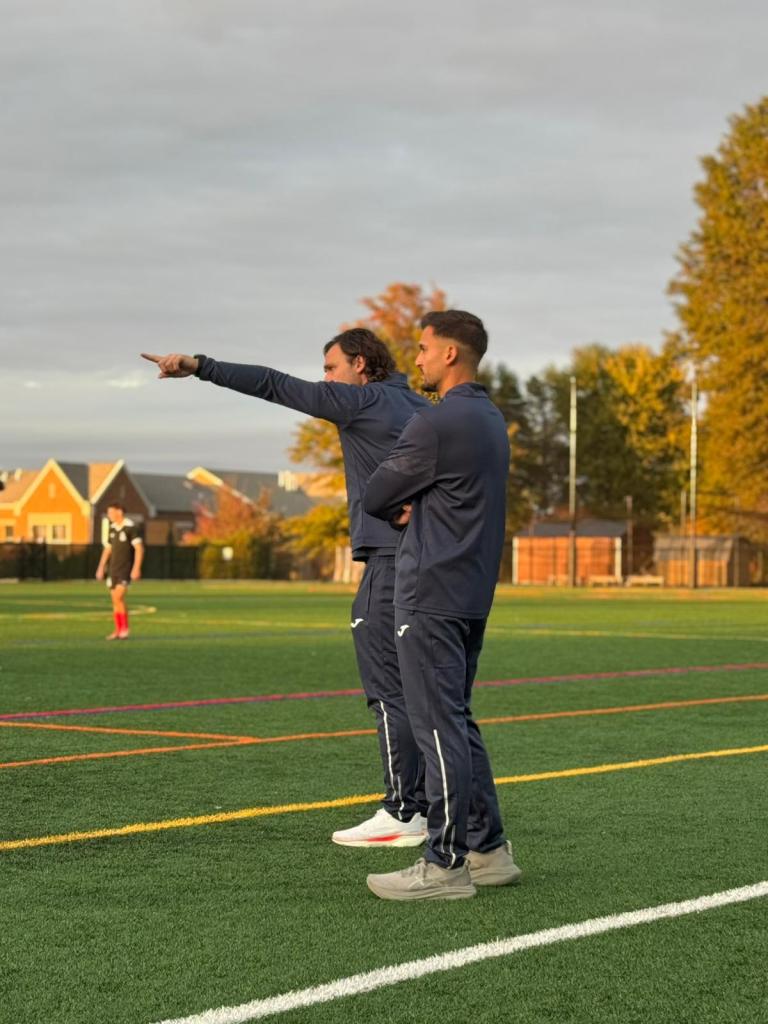
Leaving an Impact on the Younger Generation
“I just want to be able to set the player ahead for their next challenge, whether that’s in soccer or not,” Gino shared.
Following in his father and grandfather’s soccer coaching footsteps, Gino realizes how special it is to impact young players in Erie.
He’s dedicated to helping players find opportunities at the next level.
In preparing players to compete at the college level, he encourages them to consider colleges based on fit over status, as he says, “You want to go to a program that is going to (1) give you time, (2) going to have a good education, and (3) you’re going to enjoy yourself.”
The results speak for themselves: Last year, Gino and his staff helped 15/19 of the graduating players continue at the college level, while also earning three other players spots on the Villareal Spain academy roster.
Gino Romeo isn’t focused on personal glory. He’s focused on impact, prioritizing care for his players and long-term development. While his playing days are over, his soccer impact is just beginning.


 The Players’ Corner
Leave a comment